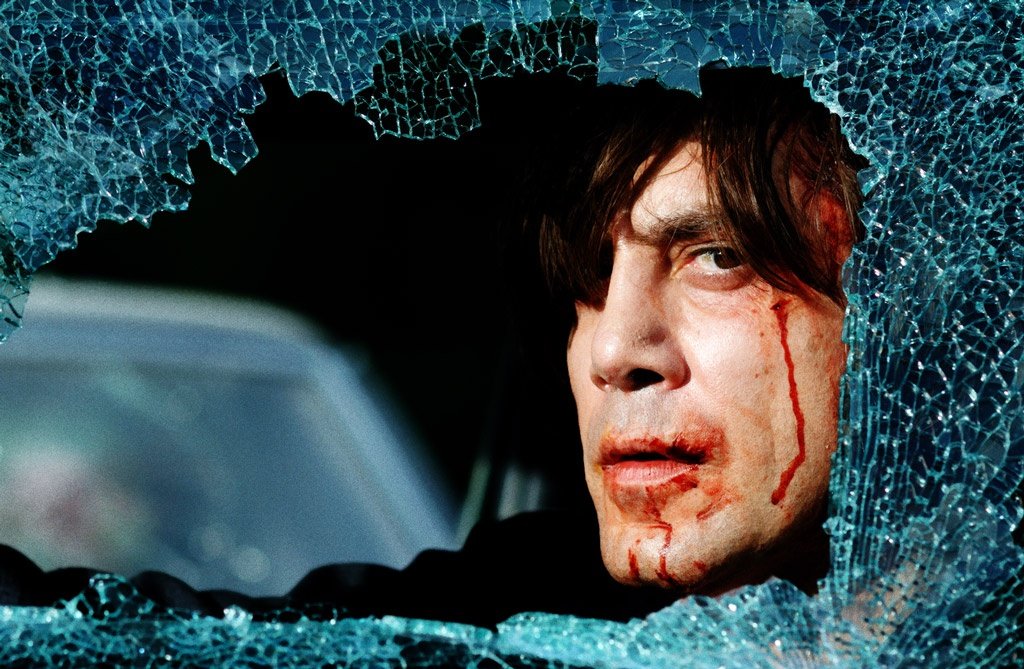
The ending of No Country for Old Men is one of the most confusing—and haunting—in modern cinema.
There’s no final showdown. No clear resolution.
So what does the final scene actually mean?
What Happens at the End?
Instead of a typical climax, the story quietly shifts focus to Sheriff Bell.
He recounts two dreams about his father.
And then the film ends.
Why There Is No Final Confrontation
Many viewers expect a direct resolution between Llewelyn Moss and Anton Chigurh.
But it never happens.
Because the film is not about justice—it’s about inevitability.
This kind of anti-climax also appears in films like Blade Runner 2049, where emotional resolution replaces traditional action.
The Meaning of Sheriff Bell’s Dream
In the final scene, Bell describes a dream where his father rides ahead in the dark, carrying fire.
This represents:
- Guidance
- Hope in darkness
- Acceptance of mortality
The Real Theme of the Ending
The film explores:
- The unstoppable nature of violence
- The passing of old values
- The limits of control
Bell realizes he no longer understands the world.
Hidden Meaning Most People Miss
The story is not about stopping Chigurh.
It’s about accepting that some forces cannot be stopped.
This philosophical tone connects with films like The Matrix, where control is often an illusion.
Final Thoughts
The ending doesn’t give answers.
It gives acceptance.